
Hardwood Floor Repair
Relive all Memories
Hardwood floors can change the entire feel of your home, but years of use can leave them looking worn and tired. At Totta Hardwoods, our craftsmen restore hardwood floors through professional refinishing that brings back their original beauty, character, and performance.
We take pride in refinishing floors the right way, with careful preparation and high quality finishes that protect your investment. Our goal is to give you floors that look refreshed and durable, so you can focus on enjoying your home without distractions from scratches, dull finishes, or visible wear.
Your floors should reflect your personal style and evolve with your home. Refinishing allows you to update the look with modern finishes while preserving the hardwood you love. It’s your home, your style, and your floors, renewed to fit the way you live today.
Repair for Damaged Floors

Splitting or Cracking
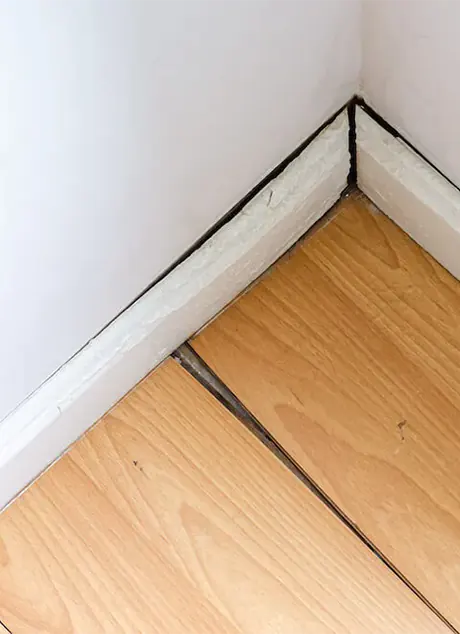
Gapping

Buckling
Cupping
Warping
Everything in Between
Floor Repair Process
FAQ Floor Repair
A regular floor cleaning routine will not only remove surface allergens that collect on your floor and contribute to itchy eyes, running nose, and sneezing. It will also remove dirt and debris that can cause damage to your floor’s finish. Download our Floor Maintenance Planner for a simple guide to helping you increase the longevity of your floors and create an overall healthier home environment.
Deep Cleaning should be performed 2-4 times a year to remove dirt and grime build up creating a healthier environment, adding protection to your finish, and saving money.
Maintenance Coat should be reapplied to avoid costly repairs and complete the sand & refinish process.
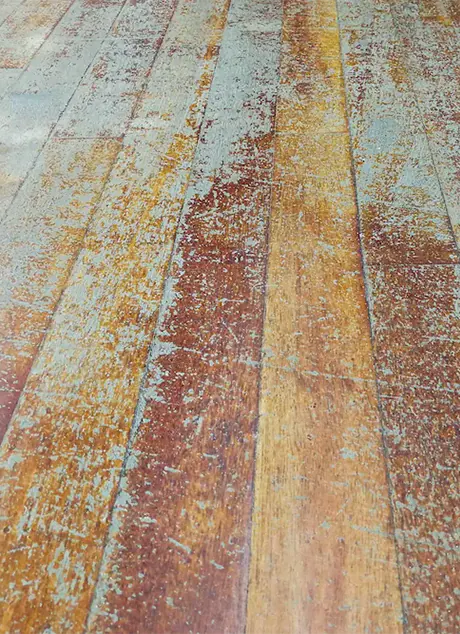
Refinish your hardwood floors to repair major damage like deep scratches, gouges, discoloration, and fading. Also, a great opportunity to update the look of your floor.
Yes! First step is understanding that the main cause of squeaky floors is movement. There are typically three (3) reasons movement occurs in your floor.
- Seasonal Movement - Floors expand and shrink with season change due to a lack of or too much humidity. This expanding and shrinking loosens flooring boards and will cause squeaks between flooring boards or within the fastener and subfloor.
- Subfloor Issues - Subfloor issues are common culprits of squeaky floor and should be addressed before new flooring is installed. Here are some common subfloor issues:
- Out of level subfloor
- Spacing between the subfloor and joists
- Subfloor seams off center with joists
- Improper subfloor material.
- Fasteners - Improperly fastening a floor is a sure way to cause squeaks. If the flooring is not installed with the proper fastener schedule (spacing between fastener) or wrong size fastener your floor will loosen and squeak. Over seating a fastener will also create squeaks when fastener pushes through the bottom of the board separating it from the subfloor
When flooding or extreme moisture conditions occur, floorboards warp and lift up from the subfloor, this is called buckling.
When this happens it is important to work with experts to fix the buckling. We take the steps to ensure that your hardwood planks are replaced and integrated back into your floor.
Recoat - during a recoat, we will lightly abrade the floor before applying a fresh coat of finish. This does not get rid of the color of your floors but removes most shallow scratches and gives your floors a refreshed look.
Refinishing - during a refinish we will sand down your floors to the raw wood (taking off the coating and stain on your hardwood). We can then add a new texture, stain, and lace your existing hardwood flooring into new hardwood before we finish the floors.
Repairs - Repairs can be done with either of the above, however, the damage sustained to your floors will be dependent on whether a recoat or a refinish will have to be done to the repaired area.
These problems are likely to be caused by low humidity and low moisture in the room, causing the wood to dry out. Regardless of the effort placed in maintaining your hardwood flooring, there is always a chance for hardwood floors to develop small splits or cracks in the surface of the wood.
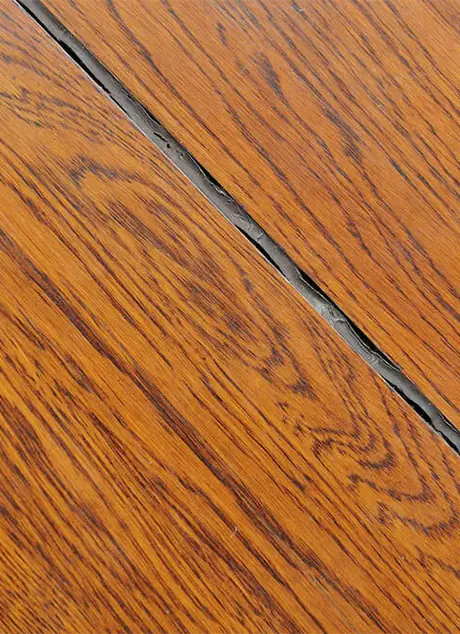
Most of the time Mother Nature can be the one to blame for this. Wood expands and contracts relative to the humidity in the air as it tries to reach equilibrium. That expansion and contraction will cause the hardwood floors to gap.
We recommend monitoring and maintaining a consistent humidity level in your home as the best way to help prevent some of the season gapping.
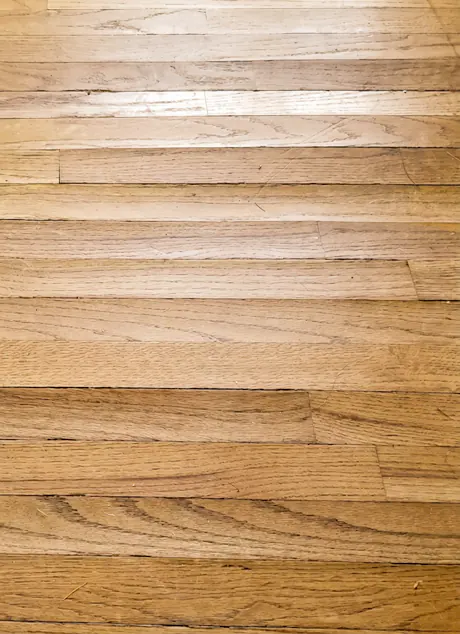
This is similar to buckling, it is when the edges of the hardwood planks rise up and the center of the board sinks down. The cause of cupped floors is a moisture imbalance where there is more water on the bottom side of the wood plank than on the top.
Yes, over time hardwood flooring may change color. Depending on the species, stain, and finish you choose, the floor may become either darker, lighter, or develop a slight change of tone. Frequent exposure to sunlight is likely to cause your floor to change color more quickly.